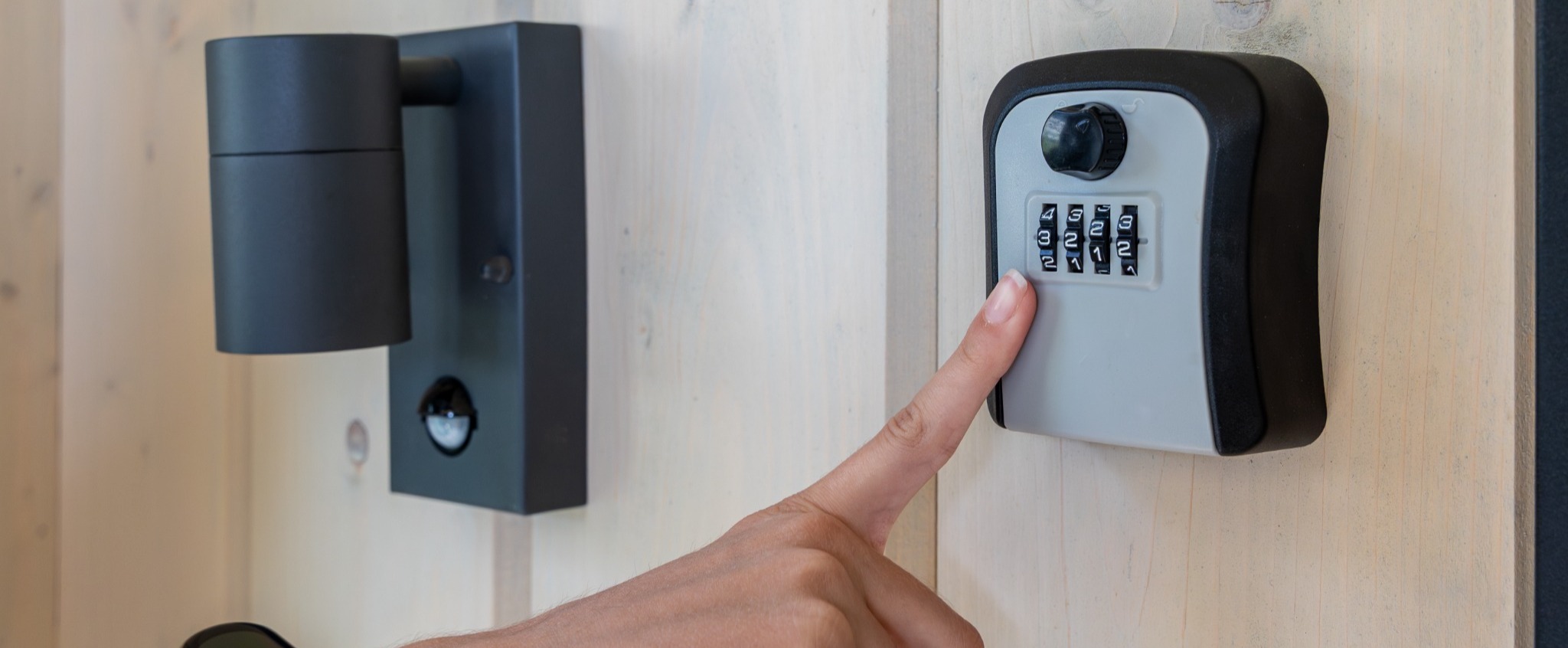
Key lock box for a vacation rental: smart idea or false simplicity?
July 2025 - Article written with ❤️ by Juliette, our concierge expert
Managing a short-term rental remotely means juggling organization, unexpected events, and guest expectations. For many property owners, the key lock box seems like the perfect solution: no need to be on site, no schedule constraints, a simple and autonomous system. But this apparent simplicity hides a few limitations, especially if you want to provide a truly welcoming experience. Here’s a full overview to help you see things clearly.
Why do key lock boxes attract so many owners?
It’s practical, especially for short-term rentals in popular tourist areas like here in the Var. The concept is simple: the guest receives a secure code, opens the box upon arrival, retrieves the keys, and settles in without waiting. For a studio rented weekly or an apartment managed remotely, it’s a real relief.
Flexibility is total. The guest can arrive at 6 pm or 11 pm, with no pressure. The owner no longer needs to block their schedule or rely on someone else for each key handover.
But in practice, it doesn’t always go as planned
The lock box works well... until it doesn’t. Wrongly communicated code, poorly located box, jammed lock, hard-to-find address in a residence: the call or WhatsApp message “we can’t find the keys” comes quickly. And if no one is reachable at that time, the experience gets off to a bad start.
Today, most guests expect to be able to communicate in real time. They send a photo, ask a question, want a quick reply. Autonomous check-in therefore requires more than just a code: it demands availability, smooth communication, and the ability to manage unexpected issues, even remotely.
On-site presence isn’t always enough either
Many owners think they’ve found a solution by “delegating” check-in to someone on site. But in reality, it’s often a cleaner rushing through several properties, or a maintenance worker whose job this isn’t. Sometimes, it’s freelancers juggling key handovers between other tasks. The result: check-in feels rushed, local tips are missing, and the guest doesn’t really feel looked after.
A proper welcome is not just about handing over keys. It’s a key moment of the stay, the one that creates the first impression. And an impersonal first impression rarely leaves a memorable mark.
And what about local regulations?
Another important point: installing lock boxes must comply with certain rules. More and more towns, especially along the Var coastline, are cracking down on poorly fixed boxes, those visible from the street, or those installed without permission. In Bormes-les-Mimosas and other tourist cities, municipalities have started fining “unauthorized” installations. Before installing a box, it’s essential to check condominium regulations, local rules, or request authorization if needed.
What guests really want
Technology does not replace human interaction. Even in 2025, guests want more than just a code: they want to feel expected. They appreciate a welcome note, a clear explanation, a personalized tip about the area. It’s this connection, often simple but genuine, that turns a stay into a good experience.
The right solution: autonomy well framed and real human presence
A well-used lock box can work perfectly fine. But it can’t do everything. To guarantee a smooth stay, check-in needs to be considered holistically: clear information before arrival, a reliable system, remote availability, and ideally, a human point of contact.
That’s why some concierge agencies choose to welcome guests during business hours. This moment of exchange makes it possible to answer questions, present the place, sometimes even the team, and share local tips. At SELECT'soHOME, for example, this approach builds trust from the very first minutes.
Now the keys are in your hands...
The lock box is neither a bad nor an excellent idea in itself. It’s a useful tool, but it needs to be part of a true welcoming strategy. To avoid hiccups, reassure guests, and secure positive reviews, nothing beats clear organization and real human contact. Because in vacation rentals, it’s not the keys that matter most. It’s the way they are handed over.